Windmill Toy Design

Mechanical

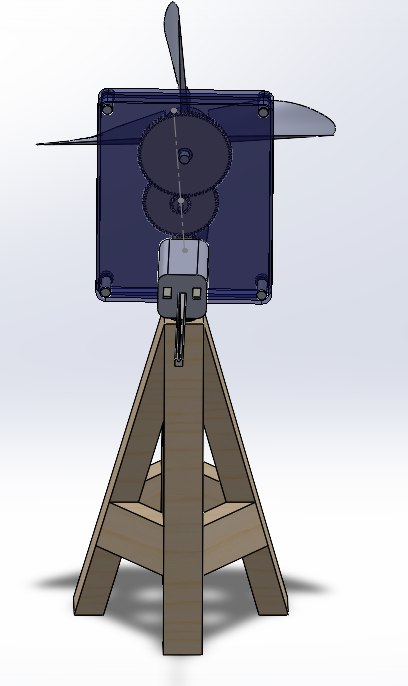
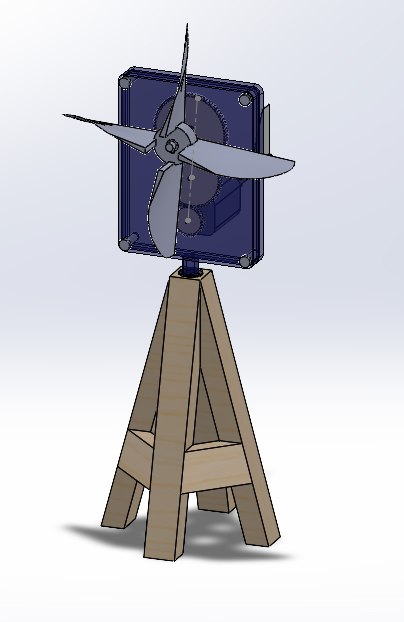
Designing and prototyping a toy windmill that uses energy from wind to operate a motor. The motor can then be attached to additional parts for full demonstration of conversion of mechanical energy to electrical.

Status

Finished

Timeline

2 weeks

Project Overview

This project involves the design and prototyping of a toy windmill that utilizes wind energy to operate a small DC motor, demonstrating the conversion of mechanical energy into electrical energy.

The windmill serves both educational and entertainment purposes, making it suitable for interactive learning environments. By integrating a gear train and a compact generator, this model effectively illustrates key engineering concepts such as energy conversion, aerodynamics, and mechanical design.
Technical Challenges

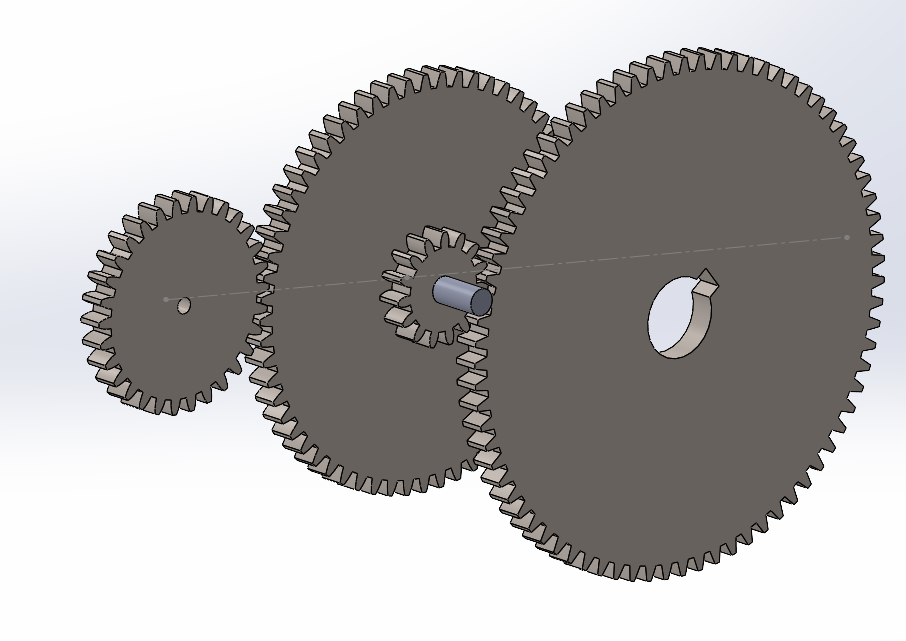
Gear Train Design

Designing a compact and efficient gear train was essential to increase the torque delivered to the motor while minimizing energy loss. Proper meshing and alignment of gears required precise tolerances to ensure smooth operation.

Creating an Assembly

The assembly involved multiple custom parts—blades, gears, shaft supports, and the housing. Managing clearances, ensuring component compatibility, and allowing for ease of maintenance posed significant design constraints.

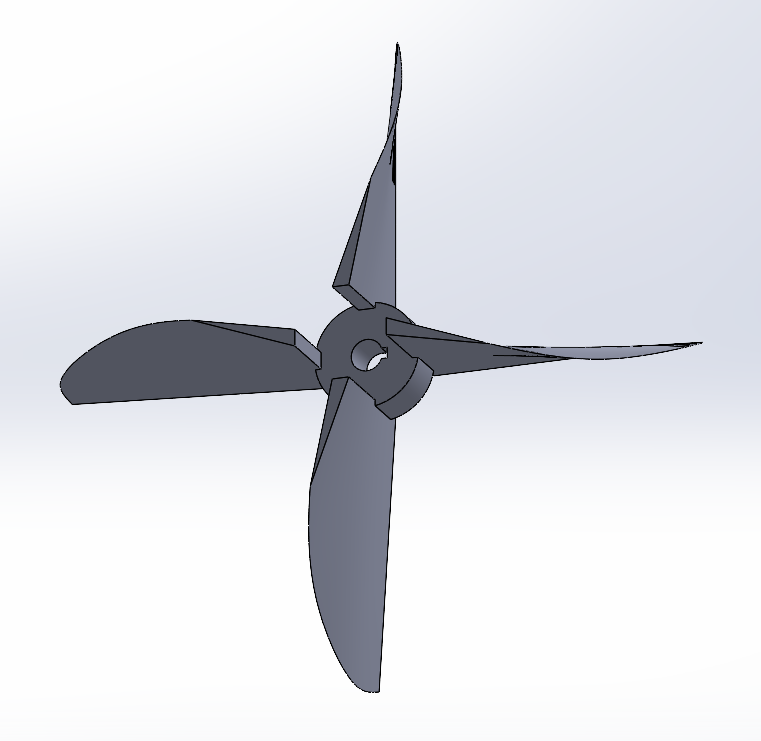
Ensuring Proper Energy Generation and Transfer

The shape, pitch, and angle of the windmill blades were optimized to capture wind efficiently and transfer rotational motion effectively to the motor shaft. Achieving a balance between aerodynamic efficiency and manufacturability was key.

Key Features

  • Using affordable materials such as wood and plastic, making the production affordable
  • Combining education and entertainment
  • Easy assembly, few components, suitable for kids of any age
  • Integration of motor which ensures further exploration of the concept of energy

Development Process

Phase 1: Requirements Analysis

Identified key learning outcomes: energy conversion, basic mechanics, and assembly skills. Set constraints for cost, safety, and simplicity.

Phase 2: System Design

Designed 3D models of blades, base, gear train, and enclosure using CAD software. Selected materials based on cost, availability, and ease of manufacturing.

Phase 3: Prototyping & Testing

Tested the system under a controlled wind source (fan). Refined blade angles and gear ratios for optimal performance.

Final Assembly and Results

The windmill was successfully able to rotate under moderate wind conditions (~2–3 m/s). The gear train amplified the blade rotation speed sufficiently to activate the motor. The motor produced a small but measurable voltage output, confirming successful energy conversion.